As a supplier of PVC ceiling panels, I often get asked about the differences between PVC and other plastic ceiling panels. In this blog post, I’ll delve into the unique characteristics of PVC ceiling panels and contrast them with other popular plastic alternatives available in the market. Understanding these differences is crucial for customers to make informed decisions when selecting the right ceiling panels for their projects. PVC Ceiling Panel
Composition and Manufacturing Process
PVC, or polyvinyl chloride, is a widely used synthetic plastic polymer. PVC ceiling panels are made by combining PVC resin with various additives such as stabilizers, plasticizers, and pigments. These additives enhance the panel’s durability, flexibility, and appearance. The manufacturing process typically involves extrusion, where the PVC mixture is heated and forced through a die to create the desired shape and size of the ceiling panels.
On the other hand, other plastic ceiling panels can be made from different polymers such as polyethylene (PE), polypropylene (PP), or polystyrene (PS). Each polymer has its own unique chemical structure and properties, which influence the characteristics of the resulting ceiling panels. For example, PE ceiling panels are known for their high flexibility and impact resistance, while PS ceiling panels are lightweight and have good insulation properties.
The manufacturing processes for these other plastic ceiling panels can vary depending on the polymer used. Some may involve injection molding, where the plastic is melted and injected into a mold to form the panel, while others may use a compression molding process. These differences in composition and manufacturing processes contribute to the unique features and performance of each type of plastic ceiling panel.
Physical Properties
Appearance and Aesthetics
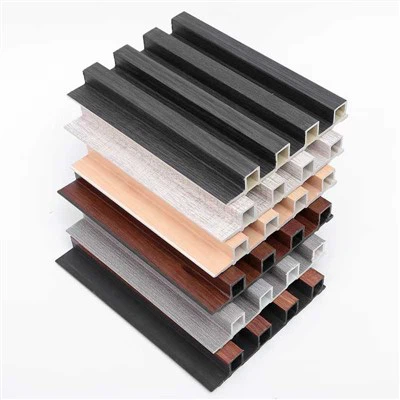
PVC ceiling panels offer a wide range of design options and can mimic the look of natural materials such as wood, stone, or metal. They can be embossed, textured, or printed with various patterns and colors to create a customized and attractive ceiling finish. The smooth surface of PVC panels also provides a clean and modern appearance, making them suitable for both residential and commercial applications.
In contrast, other plastic ceiling panels may have more limited aesthetic options. For example, PE and PP panels typically have a more matte finish and may not be as versatile in terms of design. PS panels, while they can be made in different colors, may not offer the same level of realism when mimicking natural materials.
Durability and Strength
PVC ceiling panels are highly durable and resistant to moisture, mold, mildew, and termites. They can withstand high humidity environments, making them ideal for bathrooms, kitchens, and basements. PVC panels also have good impact resistance and can withstand minor bumps and scratches without cracking or chipping.
Other plastic ceiling panels may have different levels of durability depending on the polymer used. For example, PE and PP panels are relatively strong and flexible, but they may not be as resistant to UV radiation as PVC panels. PS panels are more brittle and may be prone to cracking or breaking under impact.
Fire Resistance
PVC ceiling panels have inherent fire-resistant properties due to the presence of chlorine in the PVC polymer. They have a high ignition temperature and do not support combustion, which helps to prevent the spread of fire. In many building codes, PVC ceiling panels are required to meet certain fire safety standards.
Some other plastic ceiling panels, such as PE and PP panels, are flammable and may require additional fire retardant treatments to meet fire safety requirements. PS panels also have a relatively low ignition temperature and can burn easily, making them less suitable for applications where fire safety is a concern.
Installation and Maintenance
Installation
PVC ceiling panels are relatively easy to install and can be cut to size using a standard utility knife or saw. They can be installed directly onto the ceiling joists or onto a furring strip system. PVC panels often come with a tongue-and-groove or snap-lock design, which allows for quick and seamless installation.
The installation process for other plastic ceiling panels may be more complex depending on their design and structure. Some panels may require special tools or adhesives for installation, which can increase the installation time and cost.
Maintenance
PVC ceiling panels are low maintenance and can be easily cleaned with a mild soap and water solution. They do not require painting or staining, and their smooth surface makes it easy to remove dirt and grime. PVC panels are also resistant to fading and discoloration, ensuring their long-term aesthetic appeal.
Other plastic ceiling panels may require different maintenance procedures. For example, PE and PP panels may need to be treated with a UV protectant to prevent fading, while PS panels may be more prone to static buildup and may require regular dusting.
Cost and Value
In terms of cost, PVC ceiling panels are generally more affordable than some other plastic ceiling panels. The cost-effectiveness of PVC panels makes them a popular choice for budget-conscious customers. Additionally, their long lifespan and low maintenance requirements provide good value for money over time.
Other plastic ceiling panels may have a higher upfront cost, especially if they offer specialized features or superior performance. However, the overall value of a ceiling panel depends on the specific needs and requirements of the project. Customers should consider factors such as durability, aesthetics, and installation cost when comparing the value of different plastic ceiling panels.
Environmental Considerations
PVC has been a subject of environmental debate due to the production process and the potential release of toxic chemicals. However, modern PVC manufacturing processes have significantly improved, and many PVC ceiling panels now meet strict environmental standards. Some PVC panels are also recyclable, which helps to reduce waste and environmental impact.
Other plastic polymers, such as PE, PP, and PS, also have their own environmental considerations. For example, the production of some of these plastics may require large amounts of energy, and their disposal can contribute to landfill waste. However, there are also efforts to develop more sustainable production methods and recycling programs for these plastics.
Conclusion
In summary, PVC ceiling panels offer several advantages over other plastic ceiling panels. They provide a wide range of design options, high durability, good fire resistance, easy installation, and low maintenance. With their affordability and environmental friendliness, PVC ceiling panels are a popular choice for many applications.

If you’re considering using ceiling panels for your next project, I encourage you to explore the benefits of PVC ceiling panels. I’m here to help you make the right decision and provide you with high-quality PVC ceiling panels that meet your specific needs. Whether you’re a homeowner looking to renovate your bathroom or a commercial contractor working on a large-scale project, I can offer you the expertise and products you need.
Breathable Membrane If you have any questions or would like to discuss your project in more detail, please feel free to reach out to me. I look forward to the opportunity to work with you and help you achieve the perfect ceiling solution.
References
- ASTM International. (2023). Standard Test Methods for Physical Properties of Plastic Sheeting. ASTM D882 – 23.
- European Council of Vinyl Manufacturers (ECVM). (2023). PVC: A Sustainable Material.
- Plastics Industry Association. (2023). Plastic Materials and Their Applications.
Hangzhou Eastopo New Marterial Technology Co., Ltd.
As one of the most professional pvc ceiling panel manufacturers and suppliers in China, we offer a wide range of products with superior quality. Please rest assured to wholesale custom made pvc ceiling panel from our factory. Good service and reasonable price are available.
Address: Room 304-20, Block B, Building 1,2,3&4, Kaixuan Jinniu Fang, Shangcheng District, Hangzhou, Zhejiang, China.
E-mail: mj@eastopo.com
WebSite: https://www.eastopo.com/
