Die casting is a manufacturing process that has been around for centuries, evolving significantly over time to become a highly efficient and precise method for producing complex metal parts. As a die casting supplier, I’ve had the privilege of witnessing the intricacies of this process firsthand and understand the value it brings to various industries. In this blog, I’ll take you through the step-by-step journey of how die castings are made, from the initial design phase to the final product. Die Castings
Design and Planning
The first stage in the die casting process is design and planning. This is where the blueprint for the part is created, taking into account its intended function, dimensions, and any specific requirements. Our team of experienced engineers works closely with clients to understand their needs and develop a design that optimizes the die casting process.
We use advanced computer-aided design (CAD) software to create detailed 3D models of the part. These models allow us to visualize the part from all angles, identify potential issues, and make necessary adjustments before the tooling is created. The design also includes considerations for the gating system, which controls the flow of molten metal into the die cavity, and the ejection system, which removes the finished part from the die.
Once the design is finalized, we create a prototype of the part using rapid prototyping techniques such as 3D printing. This allows us to test the design and make any final adjustments before moving on to the tooling phase.
Tooling
Tooling is the process of creating the dies that will be used to cast the parts. Dies are typically made from high-grade steel or aluminum and are precision machined to the exact specifications of the part design. The tooling process is critical to the success of the die casting process, as the quality of the dies directly affects the quality of the finished parts.
We use state-of-the-art machining equipment and techniques to create the dies, ensuring that they are accurate and durable. The dies are designed to withstand the high pressures and temperatures involved in the die casting process and are typically coated with a special lubricant to prevent the molten metal from sticking to the surface.
Once the dies are created, they are tested to ensure that they are functioning properly. This involves running a series of trial casts to check the quality of the parts and make any necessary adjustments to the dies.
Melting and Pouring
The next step in the die casting process is melting and pouring the metal. The type of metal used in die casting depends on the specific requirements of the part, but common metals include aluminum, zinc, and magnesium.
The metal is melted in a furnace at a temperature that is high enough to make it liquid but not so high that it becomes too volatile. Once the metal is melted, it is poured into a ladle and then transferred to the die casting machine.
The die casting machine is a large, automated machine that uses hydraulic pressure to inject the molten metal into the die cavity. The machine is equipped with a clamping unit that holds the dies together during the casting process and a shot cylinder that injects the molten metal into the die cavity.
Cooling and Solidification
After the molten metal is injected into the die cavity, it begins to cool and solidify. The cooling process is critical to the quality of the finished part, as it determines the density and strength of the metal.
We use a variety of cooling techniques to control the cooling rate of the metal, including water cooling, air cooling, and forced cooling. The cooling rate is carefully monitored to ensure that the metal solidifies evenly and without any defects.
Once the metal has solidified, the dies are opened, and the finished part is ejected from the die cavity. The part is then trimmed to remove any excess metal and inspected for quality.
Finishing and Inspection
The final stage in the die casting process is finishing and inspection. The finished part is typically subjected to a variety of finishing processes, such as machining, polishing, and painting, to improve its appearance and performance.
We use a variety of inspection techniques to ensure that the finished part meets the required specifications. These techniques include visual inspection, dimensional inspection, and non-destructive testing.
If any defects are found during the inspection process, the part is either repaired or scrapped. We take quality control very seriously and strive to ensure that every part we produce meets the highest standards of quality.
Conclusion
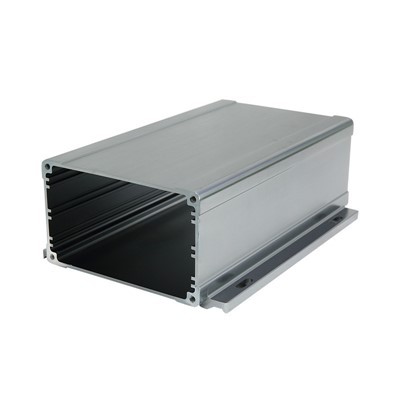
Die casting is a complex and highly specialized manufacturing process that requires a combination of technical expertise, advanced equipment, and strict quality control. As a die casting supplier, we are committed to providing our customers with high-quality parts that meet their specific requirements.
Die Castings If you are in need of die castings for your next project, we would be happy to discuss your needs and provide you with a quote. Our team of experienced engineers and technicians will work closely with you to ensure that your project is a success. Contact us today to learn more about our die casting services.
References
- ASM Handbook, Volume 15: Casting. ASM International, 2008.
- Die Casting Handbook, Third Edition. American Die Casting Institute, 2003.
- Metal Casting Design and Performance, Second Edition. James Campbell, 2003.
Yuyao Aozhou Metal Products Co., Ltd.
We are one of the most experienced die castings manufacturers and suppliers in China. With a professional production team, we are able to meet the needs of the majority of our customers. Please rest assured to buy customized die castings made in China here from our factory.
Address: No.6, Nanbailonggang, Wuma Industrial Zone, Lubu Town, Yuyao City
E-mail: xqr-2316@163.com
WebSite: https://www.cnaozhou.com/
