Hey folks, thanks for stopping by. As someone who’s been in the flexible packaging game for over 12 years—first on the factory floor, now running a small, reliable flexible packaging supply shop—I get it. When you’re sourcing flexible packaging, you’re not just grabbing a roll of plastic or foil; you’re grabbing the first line of defense for your product. If your packaging leaks, tears mid-transit, or lets in too much oxygen, your whole product’s at risk. I’ve seen brands lose thousands because they skipped simple quality checks, so today I’m breaking down exactly how we test our packaging (and what you should ask your supplier to do too) to make sure you’re getting stuff that actually works. No fancy jargon, just real, actionable stuff we do every single day. Flexible Packaging
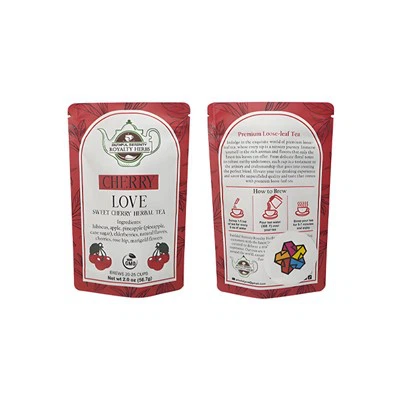
First off, let’s start with the basics that most people sleep on: material thickness. I know it sounds boring, but flexible packaging that’s too thin is a ticking time bomb. Think about it—if you’re packaging pet food, snacks, or even medical supplies, a flimsy roll will tear when you run it on your filling machine, or split when it gets stacked in a warehouse. We don’t just eyeball this either; we use a digital micrometer that measures every 6 inches across the entire roll, not just a random spot from the end. Last month, a new client came to us complaining their previous supplier’s rolls were all over the place—some parts were 1.2 mils, some were 0.8 mils, which is why their machine was jamming. We check each layer too, if it’s a multi-laminate (like foil + plastic): each layer needs to be consistent because if one’s thin, it’ll fail when the rest is fine. Pro tip for you: next time you order, ask for a thickness variance report. If a supplier can’t give you that, run. We print ours and include it with every shipment, no extra charge.
Next up, barrier performance. This is make-or-break for any packaged product that needs to stay fresh. If you’re doing chocolate, oxygen is its worst enemy—makes it go chalky and taste weird. If you’re doing frozen veggies, moisture is the culprit; they’ll get freezer burn in no time. We test three main barriers here, and we don’t wait until the end of production to do it—we test every raw material batch when it arrives at our door. First, oxygen transmission rate (OTR). We use a Mocon tester—super standard in the industry, no shortcuts here. We seal a small sample of the packaging, flood one side with oxygen, and measure how much seeps through over 24 hours. For snack packaging, our OTR is usually 0.5 cc per 100 sq in per day at 23°C, which is way below what’s needed to keep chips crispy for 6+ months. For vacuum-sealed coffee? Even lower, like 0.1 cc, because coffee gives off CO2 too, so we need the packaging to hold that in but keep oxygen out. Then there’s water vapor transmission rate (WVTR). That’s for anything that needs to stay dry—protein bars, powdered drinks, frozen goods. We use a different Mocon machine here, pump in controlled humidity, and measure how much water vapor gets through. Last quarter, we had a batch of LDPE film that came in a tiny bit off-spec—WVTR was 2x our limit. We sent it back immediately, no questions asked, because even a small WVTR jump would mean powdered protein would clump in 2 weeks instead of 6 months. And if you’re doing multi-layers with foil, don’t assume the foil makes it perfect—we still test every run, because sometimes there’s a tiny pinhole in the foil that you can’t see with the naked eye. We catch those before they leave the factory.
Now, strength and durability testing—this is the stuff that gets tested on actual packaging, not just raw materials. First, tensile strength and elongation. Tensile is how much force it takes to pull the packaging apart, and elongation is how much it stretches before breaking. Super important because when your filling machine is pulling the film to seal it, you don’t want it snapping mid-run. We use an Instron tensile tester—we cut a 1-inch wide strip, clamp it in the machine, and pull until it breaks. We test both the machine direction (MD) — that’s the direction the film travels through the factory machine — and cross direction (CD), which is sideways. For most flexible packaging, we want the MD to be strong enough to handle pulling, but a little stretch in the CD so it can flex when filled. If the CD is too brittle, it’ll split when you stuff a bag with 10 lbs of flour, for example. Last year, we tweaked our film blend for a client’s rice packaging because their old stuff was snapping when we ran it at high speed—we upped the elongation in MD by 15% and never had a jam again. Then there’s puncture resistance. Think about when you drop a bag of apples or a can of beans onto the floor—you don’t want the packaging tearing from the sharp edge. We do a puncture test: take a 6-inch square sample, clamp it in a frame, and drop a weighted metal probe (like a sharp pin but controlled) from a set height onto it. We measure how much force is needed to puncture it. For heavy-duty pet food bags, ours is like 12 Newtons of force—so you’d have to drop a sharp object really hard to pierce it. For snack bags, it’s lower, obviously, but still enough to survive a trip through USPS or Amazon’s warehouses. We also do tear resistance—different from puncture, that’s how easy it is for a tear to spread once it starts. We use the Elmendorf tear tester: cut a small notch in the sample, hang a weight, and measure how far the tear goes. Super useful for things like stand-up pouches, where a small nick in the edge could turn into a big tear during shipping.
Seal quality is another huge one that I see suppliers cut corners on all the time. If your seals fail, your whole packaging is useless. No one wants a bag of potato chips that’s open because the seal split, or a medical pouch that’s contaminated because the seal was bad. We do a few tests here, starting with heat seal strength. Different materials need different seal temps—foil needs hotter seals than plain plastic, for example. We use a heat sealer that lets us adjust temperature, pressure, and dwell time (how long the heat stays on) to match the exact material, then test the seal with the Instron—pull it apart and measure how much force it takes. We want the seal to be stronger than the actual film, so if you pull it, the film breaks before the seal does. For frozen food packaging, we test seals even after they’ve been frozen for 2 weeks, because cold can make seals weaker. Then there’s seal integrity testing—making sure there are no tiny gaps or pinholes in the seal. We do the bubble test: take a sealed pouch, submerge it in water, and squeeze it. If air bubbles come out, there’s a leak. For vacuum-sealed bags, we use a vacuum decay test: pull the air out to a set pressure, seal it, and monitor the pressure for 10 minutes. If the pressure drops, there’s a leak. We also do a creep test on seals—leave sealed pouches stacked on a shelf for 30 days, then check if the seals have split under the weight of other pouches. Last year, a client’s stand-up pouches kept splitting on the bottom seam when stacked with 20 other pouches on top. We adjusted the bottom seal’s width from ¼ inch to ⅜ inch, and the problem was gone. That’s the kind of thing we catch before it gets to you.
Oh, and let’s not forget visual and aesthetic testing—even if the packaging works, if it’s got smudges, misprinted logos, or wrinkles, it’s bad for your brand. I learned this early on when we had a run for a craft soda client with a misprinted “organic” logo. We caught it before shipment, reprinted the whole roll, and didn’t charge them extra, because a misprinted package makes their brand look unprofessional. We do light box testing for print quality—put the rolls under a bright, controlled light to see if there’s fading, smudging, or registration issues (where the colors don’t line up). We also test for scuff resistance: rub the printed side with a standard eraser a set number of times, and make sure no ink comes off. For packaging that goes into retail displays, this is super important because it’ll be handled by customers. And for clear packaging? We check for haze—if it’s too cloudy, customers can’t see your product, which kills sales.
Wait, there’s also functional testing for specific use cases, right? If you’re making stand-up pouches, does it actually stand up when filled? If you’re doing zip-lock bags, does the zip work after 100 opens and closes? Last year, we had a client who needed pouches that would hold their liquid hand sanitizer and stand on store shelves. We did tests where we filled them with 8 oz of water, left them for 24 hours, and checked for leaks, then put them at a 45-degree angle to make sure they didn’t tip over. For zip-locks, we run a cycle of opening and closing 100 times, then test seal strength again to make sure the zip hasn’t worn out. If you’re doing flexible packaging for medical use, we also do biocompatibility testing, but that’s for a more niche market—we work with a few medical clients and partner with third-party labs for that, since it’s super regulated.
Here’s the thing: a lot of small suppliers skip half these tests to save money, and they pass that cost onto you by charging less, but then you end up with product returns, wasted product, and unhappy customers. We do every single one of these tests for every production run, because that’s what my dad taught me when he started the business back in 1998—you don’t cut corners on something that protects someone else’s work. And if you’re a buyer, don’t be afraid to ask your supplier what tests they do. If they say “we just look at it and run it,” that’s a red flag. If they can show you a sample test report, or let you come visit their lab to see them run tests, that’s the good stuff.
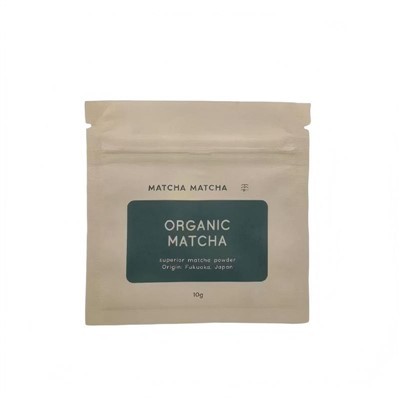
At the end of the day, flexible packaging quality isn’t about the fanciest materials or the lowest price. It’s about consistency—knowing that every roll you get will work as expected, that your product will stay fresh, that your packaging won’t fail when you need it most. If you’re looking for a flexible packaging partner that actually does the testing we talked about, doesn’t cut corners, and will work with you to make packaging that fits your exact needs, we’d love to chat. Whether you need snack pouches, pet food bags, frozen food packaging, or anything in between, we can hook you up.
Tea Packaging Bags References:
- The Flexible Packaging Association. (2022). Standard Test Methods for Flexible Packaging Materials and Structures.
- Mocon Inc. (2021). Barrier Testing Guidelines for Flexible Packaging.
- ASTM International. (2020). Standard Test Methods for Tensile Properties of Thin Plastic Sheeting.
- Elmendorf Instrument LLC. (2019). Tear Resistance Testing for Flexible Packaging: Best Practices.
- International Society of Packaging Professionals. (2023). Quality Control Protocols for Flexible Packaging Production.
Shandong Lepu Digital Printing Co., Ltd.
Shandong Lepu Digital Printing Co., Ltd. is one of the most professional flexible packaging manufacturers and suppliers in China, specialized in providing high quality customized service. We warmly welcome you to buy high-grade flexible packaging made in China here from our factory.
Address: 500 meters north of the intersection of Huaihai 2nd Road and Xiwu Road, Junan County, Linyi City, Shandong Province
E-mail: sales01@lepupac.com
WebSite: https://www.lepupouch.com/
