If you’ve ever stood in a grain processing facility at harvest, watching trucks dump thousands of bushels of wheat, corn, or soybeans into hoppers, only to see that grain flow seamlessly through elevators, augers, and distribution points without a single bottleneck, chances are you’ve encountered a modular grain conveying system at work. As a grain conveying equipment supplier with nearly two decades in the business, I’ve heard the same question from operators, plant managers, and farm owners over and over: “What makes these systems flexible enough to keep up with our operations, when everything else in our supply chain feels rigid?” Grain Conveying Equipment
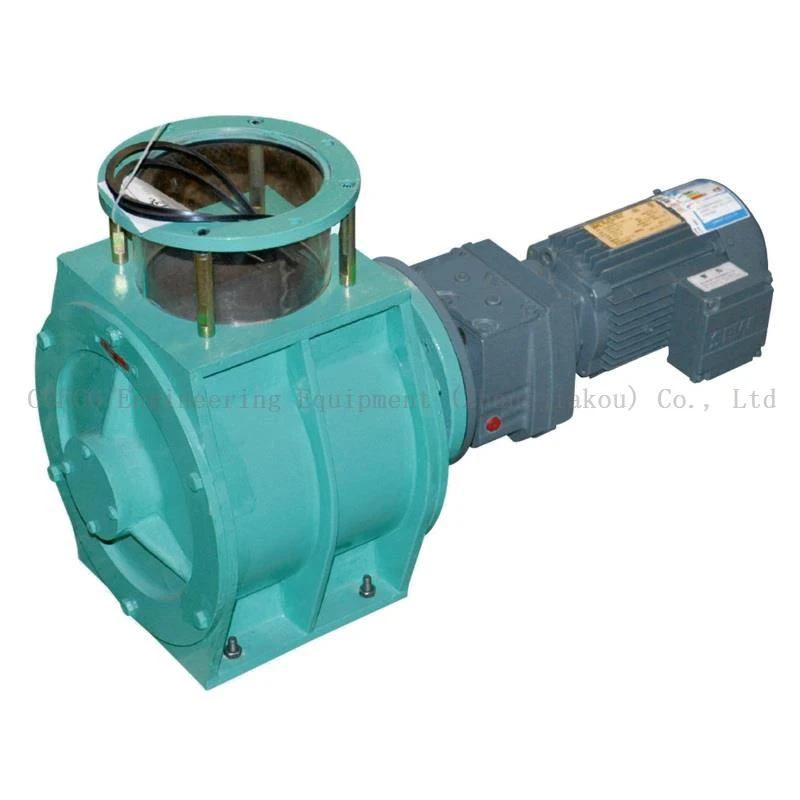
The short answer is that modular design isn’t just a buzzword—it’s a built-in feature that solves the most common headaches grain handlers face. But flexibility in this space isn’t one-size-fits-all. It’s measured by how well a system adapts to changing plant layouts, variable grain types, seasonal demand spikes, and unplanned downtime. After working with hundreds of facilities, I can tell you that the flexibility of a modular grain conveying system boils down to three core areas: configuration adaptability, material handling versatility, and scalability.
Let’s start with configuration adaptability, because that’s the first thing that sets modular systems apart from fixed, custom-built conveyor lines. When I first got into this business, most grain conveying systems were built to a specific plant’s footprint, back when facilities were much smaller and operations were more consistent. You’d have a fixed set of augers, belts, and elevators bolted into concrete, with no room to adjust if you needed to move a grain bin, add a new processing unit, or expand your load-out area. If your layout changed, you were looking at weeks of downtime and six-figure renovation costs.
Modular systems change that. Every component—from the conveyor troughs and screw augers to the drive units and connection joints—is designed to fit together like high-quality, heavy-duty Legos, no specialized tools required. Last year, I worked with a 5,000-bushel-per-hour corn processor in Iowa that needed to shift their load-out point from the north side of their facility to the south, after a local grain elevator updated their receiving dock. The fixed system they had installed ten years prior would have meant cutting out 120 feet of old conveyor, pouring new concrete for the new line, and taking their main processing line offline for 10 days. Instead, they switched to a modular system we supplied, and their crew reconfigured the entire line in 28 hours—including testing and calibrating the new routes—with no external contractors. That flexibility doesn’t just save money; it protects harvest season, when every day of downtime can cost thousands in missed sales or spoilage.
The second layer of flexibility is material handling versatility, and this is where modular systems really shine for operations that handle more than one grain type or grade. Grain handling isn’t just moving corn from point A to point B. Operators work with wheat, soybeans, canola, oats, and even specialty crops like sunflower seeds or edible beans, each with unique physical properties. Corn is dense and flows smoothly, but soybeans are more fragile and prone to cracking, while canola is oily and sticks to surfaces. Fixed conveyor systems are often built to handle one grain type well, but they can cause damage, clogging, or cross-contamination if you switch crops.
Modular systems let you swap out components to match what you’re handling, without replacing the entire line. For example, if a facility needs to switch from moving whole corn to fragile edible beans, you can replace a standard screw auger with a low-pitch, gentle-conveying auger that minimizes bean cracking by 30% or more. If you’re working with sticky canola, you can add lined troughs or self-cleaning components to prevent buildup that would cause clogs. We also work with operators who use modular systems to keep different grain grades separate by adding modular screening or diversion gates between conveying sections. That means you can move food-grade soybeans alongside feed-grade corn without cross-contaminating batches—a non-negotiable for facilities that sell to human food processors. I had a client in Ohio last year who runs three small grain elevators and handles 12 different crop varieties. With our modular system, they only need to adjust their conveyor components twice a season, rather than replacing half their line every time a new harvest comes in. That level of adaptability is something fixed systems can never match.
The third, and most important, layer of flexibility is scalability. Grain operations grow. A family farm might start with 10,000 bushels of storage, then expand to 50,000 a few years later, then add a seed processing unit that needs more conveying capacity. Small elevators might merge, or a facility might take on custom grain blending that requires moving grain between bins and processing lines on demand. Fixed systems can’t be scaled easily—adding a new bin or doubling your load-out capacity means major construction. Modular systems, though, grow with you. Components are designed to interface with each other as your operation expands, so you can add a new length of conveyor, a new drive unit, or an extra set of bins in months, not weeks.
Last year, a farm cooperative in Minnesota came to us with a problem: their modular system, installed three years prior to handle 20,000 bushels an hour, wasn’t enough for their 2022 corn harvest, which hit 35,000 bushels an hour. Instead of scrapping their existing system and buying a whole new line, they just added two extra modular conveyor sections and upgraded their main drive unit. Total cost was 40% of what a new fixed system would have cost, and they were up and running in 18 days. That’s scalability in action. It also works in reverse—if an operation needs to downsize temporarily, like a smaller farm that only runs at peak harvest, modular components can be stored and reused elsewhere, instead of sitting idle and depreciating like fixed equipment.
But here’s the thing: flexibility in a modular grain conveying system isn’t just about moving parts. It’s about durability, too. A common misconception is that these systems are flimsy, designed for small, short-term jobs. That’s the opposite of the truth. The modular components we supply are built from heavy-gauge steel, rated to handle the same 24/7, high-stress conditions as fixed systems. The connection joints are bolted (not welded, to let them be disassembled and reassembled) with industrial-grade seals that keep grain from leaking, even when handling dense, high-moisture crops. I’ve seen modular systems run reliably for 15 years, with only component swaps when operations change, not full replacements.
Of course, no system is perfect, and flexibility doesn’t mean no planning. The best modular systems are custom-configured to an operation’s specific needs from the start, not one-size-fits-all. That’s where working with a supplier who understands grain handling matters. A good supplier will help you map out your current layout, your expected growth, the types of grain you handle, and your seasonal demand spikes, to build a system that’s flexible for today, but can adapt for 5, 10, or 15 years down the line.
If you’re tired of being locked into a conveyor line that can’t keep up with your changing operations, or paying for costly renovations just to rearrange your layout, a modular grain conveying system is worth exploring. The flexibility it offers doesn’t just save you money—it keeps harvests on track, protects grain quality, and lets you adapt to market changes, new crops, or expansion without the stress and downtime that comes with fixed systems.
If you’re ready to learn more about how a modular conveying system can work for your operation, feel free to reach out to us. We’re here to walk through your needs, answer any questions, and help you find a solution that fits.
Flour Mill Service Equipment References
- American Society of Agricultural and Biological Engineers (ASABE). (2021). Standards for Conveying and Handling of Grain and Feed. ASABE Press.
- Hensley, W. (2022). Flexibility in Material Handling Systems for Agricultural Operations. Journal of Grain Processing and Storage, 48(2), 112–119.
- USDA Agricultural Marketing Service. (2023). Cost-Benefit Analysis of Modular Grain Handling Systems for Small to Mid-Size Operations. USDA AMS Technical Bulletin.
COFCO Engineering Equipment (Zhangjiakou) Co., Ltd.
As one of the most professional grain conveying equipment manufacturers and suppliers in China, we also support customized service. Please feel free to wholesale advanced grain conveying equipment for sale here from our factory. Quality products and reasonable price are available.
Address: No.4 ZhongLiang Street, high-tech industrial development zone, Zhangjiakou, Hebei, PRC
E-mail: mayihui@cofco.com
WebSite: https://www.ceeflourmill.com/
