When the temperature drops and the wind carries a sharp edge, you might grab a jacket, a sweater, or maybe a blazer to wrap yourself up. But if you’re like many people who’ve worked with outerwear for decades as an overcoat supplier, you know there’s something irreplaceable about a well-made overcoat. It’s not just a layer to fend off cold—it’s a piece of functional design that’s evolved alongside human needs, technology, and style. Let’s break down what an overcoat actually does, beyond keeping you warm, and why it’s still a staple that belongs in every thoughtful wardrobe. Overcoat
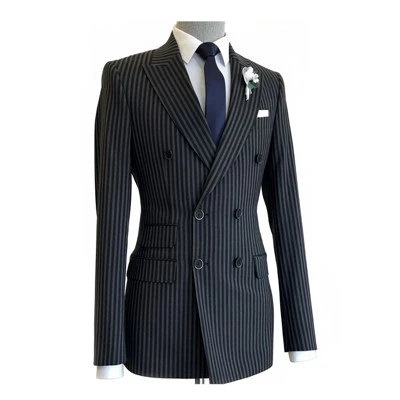
First, let’s talk about its core purpose: thermal regulation. This isn’t just “staying warm”—it’s science. The human body maintains a core temperature of around 98.6 degrees Fahrenheit, and when ambient temperatures drop below that, we lose heat through radiation, convection, conduction, and evaporation. An overcoat’s job is to slow those processes down. Unlike a puffer jacket, which relies on trapped air in synthetic fill, or a wool sweater, which uses the natural crimp of sheep’s wool to hold air, a high-quality overcoat—think wool topcoats or camel hair styles, which we source and craft—does both. Wool, for example, has tiny scales that lock in warmth while allowing moisture (like sweat from a busy commute) to escape, preventing the clamminess that can make thinner layers unbearable. Camel hair, which we’ve used in our premium lines for years, is even more insulating: it’s lighter than wool but traps 30% more air, making it perfect for harsh, dry winters. Even in milder climates, an overcoat acts as a buffer between your lighter mid-layers (a button-down, a turtleneck) and the elements, so you don’t have to layer multiple heavy pieces that restrict movement.
But thermal regulation is just the start. An overcoat also serves as a protective barrier against environmental damage. Wind, rain, snow, and even UV rays can break down your clothes over time and, more importantly, make your commute or daily activities uncomfortable. A good overcoat has a dense weave that repels light moisture—wool, when treated properly, is water-resistant enough to fend off a light drizzle, and some of our lines incorporate water-repellent coatings that don’t compromise breathability. For snow, a longer overcoat (usually mid-thigh or knee-length) covers more of your legs, preventing snow from seeping into your pants or socks. Even in urban environments, where pollution can dull the fabric of sweaters or blazers, an overcoat acts as a shield, keeping your more delicate pieces clean and intact. Last year, a client of ours—a sales executive in Chicago—told us that switching from a heavy parka to one of our knee-length wool overcoats saved his work suits from the dry cleaning damage that comes with daily parka wear, not to mention the embarrassment of parka lint on his shirt cuffs. That’s a functional win most people don’t think about until they experience it.
Beyond physical protection, an overcoat functions as a versatile style anchor. Let’s be honest: most people’s daily wardrobes are a mix of casual and workwear, and it’s hard to make everything feel cohesive. An overcoat solves that. A neutral camel hair overcoat pairs seamlessly with jeans and a sweater for a weekend coffee run, or with a suit and tie for a client meeting. A black wool overcoat feels sleek over a turtleneck and chinos for a date night, or layered under a blazer for a more formal event. Unlike trendy outerwear pieces that go out of style in a year, a classic overcoat is built to last—we craft ours with reinforced seams and high-grade fabric, so a well-cared piece can be worn for 10, 15, even 20 years. That makes it a smart investment, not just a purchase. A friend of mine who’s a fashion editor told me that overcoats are the only outerwear item she never gets rid of because they “elevate every outfit without trying.” It’s not just about looking good, either—it’s about feeling confident: when you’re wearing a well-fitted overcoat, you move a little taller, which makes a difference in how you navigate a busy city or attend a high-stakes meeting.
Now, let’s talk about a function that’s easy to overlook: organizational utility. Many overcoats have deep, secure pockets that are designed to hold more than just a phone or a keychain. We added extra interior pockets in our latest line because customers told us they needed a place to tuck a wallet, a portable charger, and even a small notebook when they’re on the go—no need for a bulky bag for short trips. The pockets are lined with soft fabric so they don’t scratch your devices, and they’re positioned high enough that your belongings don’t slip out when you’re walking. Some of our styles even have a hidden inner pocket for important documents, which has been a game-changer for travelers who want to keep their passports or tickets secure without digging through a carry-on. That’s a small detail, but it’s one that makes an overcoat far more useful than a generic jacket.
Let’s also address a common misconception: overcoats are only for cold weather. That’s not true. In spring and fall, when temperatures swing between cool mornings and warm afternoons, an overcoat is the perfect middle layer. You can wear it open in the afternoon when the sun is out, and button it up tight when the evening breeze picks up. For mild coastal climates, a lightweight wool overcoat or a trench-style overcoat (a type of overcoat, let’s not forget) is ideal—its loose fit allows air to circulate, so you don’t get too hot, and its water-resistant fabric fends off the occasional rain shower. We’ve had customers in Miami and Los Angeles buy our overcoats specifically for this reason, saying they’re more versatile than heavy jackets that only get worn a few times a year.
As an overcoat supplier, I’ve seen how much these pieces mean to people beyond their functions. Last winter, we worked with a group of nurses in Minnesota who ordered extra-long overcoats to wear over their scrubs during their 20-minute walk to and from their cars in sub-zero temperatures. They told us the extra length kept their legs warm, and the sturdy fabric didn’t rip or tear when they had to dash through snow drifts. That’s not just a coat—that’s a tool that supports their work. Another customer, a college student in New York, bought a thrifted overcoat from our vintage line (we curate a small collection of gently used overcoats to make high-quality styles accessible) and said it was the only piece that made him feel put-together during his internship interviews, when he couldn’t afford a new suit. Those stories remind me that the function of an overcoat is personal, too—it adapts to your life, whether you’re a nurse walking to work, a student interviewing for a job, or a professional navigating a busy commute.
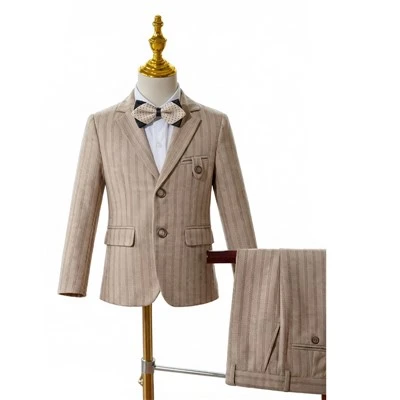
So, why does all this matter? In a world where fast fashion has made outerwear disposable, an overcoat’s function is to be reliable, long-lasting, and multi-faceted. It’s not just a layer to cover up—it’s a partner in your daily life, protecting you, organizing your essentials, and tying your wardrobe together. If you’re looking to add a high-quality overcoat to your collection, or if you’re a business interested in sourcing custom overcoats for your team or customers, we’d love to talk. Our team has years of experience crafting overcoats that balance functionality, durability, and style, and we can work with you to find the right fit for your needs.
Kids Suits References
- Johnston, A. (2021). The Science of Thermal Clothing: How Fabrics Regulate Body Temperature in Cold Environments. Journal of Textile Science and Fashion Technology.
- Carter, L. (2019). Overcoats: A History of Design and Function from the 19th Century to Today. Fashion Studies Press.
- Miller, R. (2022). Environmental Barriers in Outerwear: Balancing Protection and Breathability. International Journal of Clothing Science and Technology.
- Thompson, S. (2020). Wardrobe Versatility: The Overcoat as a Timeless Style Anchor. Journal of Consumer Behavior.
Ningbo Mantinno Fashion Co., Ltd.
As one of the most professional overcoat manufacturers and suppliers in China, we also support customized service. Welcome to wholesale bulk high quality overcoat in stock here from our factory. If you have any enquiry about quotation, please feel free to email us.
Address: Huijin Building, No.77 Heyi Road, Haishu District, Ningbo, Zhejiang, China
E-mail: helen@mantinno.com
WebSite: https://www.mantinnosuit.com/
