When I first started working in packaging products over a decade ago, I thought my job was simple: make containers that keep goods safe during shipping. Back then, I didn’t realize how much of a role we play in the quiet, constant conversation between a brand and the people who buy it. Last year, I stood in a grocery store aisle next to a regular coffee brand we’d supplied paper bags to for three years. A customer pulled a bright, textured bag off the shelf, ran a thumb over the raised logo, and said to their companion, “This is the one—they always taste the best.” That moment stuck with me. It wasn’t just the coffee that won them over; it was the packaging. As a packaging products supplier, I’ve spent years observing how our work doesn’t just protect products—it builds the kind of recognition that keeps customers coming back, and turns casual buyers into loyal fans. Packaging Products
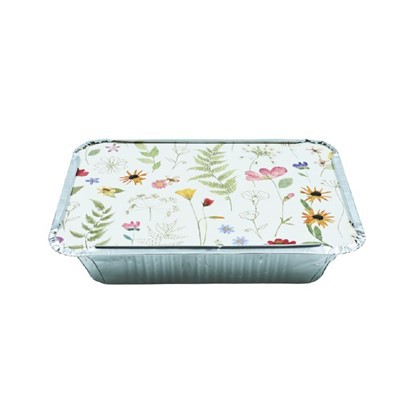
Brand recognition isn’t just about having a name or a logo. It’s about the small, automatic reactions people have when they see something: the way their shoulders relax when they spot a familiar snack on a busy store shelf, the trust they feel when they hold a skincare product they’ve used before, the way they recommend a cleaning product to a neighbor because the box felt sturdy and reliable. Packaging is the first physical touchpoint a customer has with a product, long before they take a bite or test a feature. That makes it our most immediate tool for shaping how a brand is seen.
Take our work with a small organic snack brand a few years ago. They came to us because they were struggling to stand out in a crowded market of similar granola bars. Their initial packaging was a plain white wrapper with a tiny black logo—functional, but forgettable. We worked with them to design a matte paper wrapper, printed with a soft, earthy pattern that matched their organic values, and a logo embossed so it felt like a small detail, not a loud statement. Six months later, they told us sales were up 40% in local health stores. The manager said customers kept asking for “the wrapped one” instead of the brand name. That’s brand recognition at its most powerful: when a product is identified by its packaging, not just its label. It’s not luck—it’s intentional design rooted in how people actually interact with products.
There’s science behind this, too. Human brains process visual information much faster than text—studies show we can recognize a familiar image in as little as 13 milliseconds. That means when a customer walks down an aisle, they’re not reading every brand name; they’re scanning for shapes, colors, textures, and marks that trigger a familiar feeling. Packaging turns abstract brand values into something tangible. If a brand positions itself as eco-friendly, using recycled materials and minimal, plant-based inks doesn’t just align with that value—it shows it on the package. A customer who cares about sustainability will see that packaging, even from a distance, and make an instant connection. For a luxury brand, a rigid box with a velvet insert or a foil-stamped logo communicates quality before the product is even opened. These small, consistent choices in packaging don’t go unnoticed—they build a mental map in a customer’s mind that leads straight to the brand.
Consistency is the backbone of this. As a supplier, I’ve learned that the most effective packaging isn’t just beautiful—it’s recognizable across every touchpoint. A customer might see a product’s package in a store, get it delivered to their home in a shipping box with the same color scheme, and then find the brand’s social media page using the same logo. Every time, that consistent visual language reinforces what the brand stands for. We once worked with a skincare line that launched with three different packaging shapes for the same core product. It took them six months to realize customers were confused—they couldn’t tell the serums apart because the bottles didn’t look like they belonged to the same brand. When we suggested switching to a single, sleek bottle shape with only minor label adjustments for each scent, their return rate dropped by 25%. That’s how much consistency matters: it turns a collection of products into a cohesive brand, one package at a time.
Sensory details are another piece of the puzzle. Packaging isn’t just something you look at—it’s something you touch, sometimes even smell. The crinkle of a snack bag, the smoothness of a glass bottle, the weight of a sturdy shipping box—all these details leave an impression. I remember a small tea brand we started working with; they wanted their packaging to feel as comforting as a home-brewed cup of tea. We used a soft, textured paper that had a slight, warm smell when the package was opened, and a string tag that felt cotton, not plastic. Customers started posting about “the tea that smells like comfort” online, and sales grew because people associated that specific sensory experience with the brand. It’s not just a gimmick—our brains link sensory experiences to memory, so a positive touch or smell tied to a package becomes a memory tied to the brand.
Packaging also does quiet, important work for brand recognition in the digital age. When customers post photos of their purchases on social media, the packaging is often the first thing they share. A well-designed, eye-catching package makes a product more likely to be posted, which brings new customers to the brand. We’ve seen this firsthand with a candle brand we supply; their matte black jars with gold lids went viral on Instagram, not because the candles were new (though they were good), but because the packaging looked sleek in photos. That organic social media exposure drove a 60% increase in online orders. In a world where so many product discoveries happen online, packaging that works for both physical shelves and digital feeds is a huge asset. It’s not just about selling in stores anymore—it’s about being shareable, and packaging is the star of that first impression.
Of course, we can’t talk about packaging’s role in brand recognition without addressing function. A package that doesn’t keep a product safe or easy to use will leave a bad impression, no matter how good it looks. If a cereal bag keeps getting stale, or a shipping box arrives crushed, customers will associate that with the brand, not just the packaging. As a supplier, we prioritize both form and function because we know one can’t exist without the other. We worked with a pet food brand that had issues with bags tearing during shipping, leading to negative reviews. We redesigned their bags to be thicker, with a resealable top that made it easy for customers to store leftover food. Within a year, their customer satisfaction scores went up, and brand recognition among pet owners grew because they could trust the product would arrive intact and be easy to use. Function builds trust, and trust is the foundation of any lasting brand recognition.
What I’ve learned most over the years is that packaging is more than a service we provide—it’s a partner to brands in their growth. We don’t just make boxes or bags; we help brands speak to their customers even when no one is selling to them. When a customer sees a package on a shelf and thinks, “That’s the one,” that’s our work at its best. It’s not about flashy designs or expensive materials; it’s about creating a package that feels like the brand, that stands out in the right way, and that sticks in a customer’s mind.

If you’re a brand looking to turn your packaging into a tool for stronger, more memorable recognition, let’s talk. We’ve helped brands of all sizes—from small local startups to larger established names—create packaging that works as hard as their products do. Whether you need a complete redesign, help with sustainable materials, or just a fresh take on your current packaging strategy, we’re here to collaborate. Connect with us to discuss how we can tailor packaging solutions that boost your brand and resonate with your customers.
Paper Product References:
- Lindstrom, M. (2005). Brand Sense: How to Build Powerful Brands Through Touch, Taste, Smell, Sight, and Sound. Free Press.
- Underwriters Laboratories. (2022). The Impact of Sustainable Packaging on Consumer Brand Perception.
- Nielsen Holdings. (2021). In-Store Visuals: How Packaging Drives Purchase Decisions.
- Ramkumar, P., & Thampi, B. V. (2019). Role of Packaging in Brand Recognition and Consumer Loyalty. Journal of Retailing and Consumer Services.
- Zajonc, R. B. (1968). Attitudinal Effects of Mere Exposure. Journal of Personality and Social Psychology.
Address: NO 11, LOT 60952No:, KAWASAN PERINDUSTRIAN, LOT 60952, Jalan Wawasan 4/Ku7, Sungai Kapar Indah, 41400 Klang, Selangor, Malaysia
E-mail: sales03@charmpeak-factory.com
WebSite: https://www.charmpeak-factory.com/
