Stage mechanical equipment plays a pivotal role in enhancing the overall quality and impact of stage performances. As a supplier of stage mechanical equipment, I have witnessed firsthand how these tools can transform a simple stage into a dynamic and immersive experience. In this blog, I will explore the various ways in which stage mechanical equipment elevates stage performances, drawing from my years of experience in the industry. Stage Mechanical Equipment
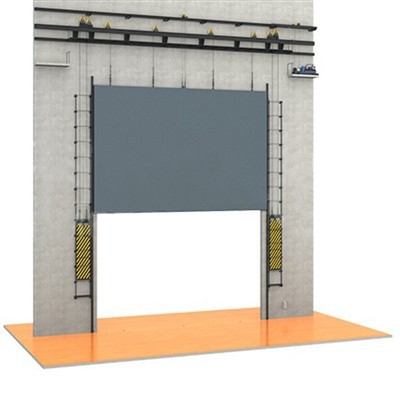
Creating Visual Spectacle
One of the most significant ways stage mechanical equipment enhances stage performance is by creating visual spectacle. Moving platforms, elevators, and rotating stages can be used to change the layout of the stage instantly, adding a sense of fluidity and dynamism to the performance. For example, a musical production might use a rotating stage to transition between different scenes seamlessly, giving the audience a continuous and engaging experience.
Automated scenery systems are another powerful tool for creating visual impact. These systems can quickly change the backdrop, set pieces, and other visual elements of the stage, allowing for rapid scene changes and the creation of complex and elaborate settings. In a large – scale opera, for instance, automated scenery can transform a simple stage into a grand palace, a bustling city street, or a serene forest in a matter of seconds, captivating the audience with its visual splendor.
Flying systems are also a staple in many stage productions. They enable performers to "fly" across the stage, adding an element of magic and wonder. In a ballet performance, a dancer can appear to float gracefully through the air, enhancing the ethereal quality of the choreography. Flying systems can also be used to move large props or set pieces, creating a more immersive and visually stunning environment.
Enhancing Performers’ Mobility and Safety
Stage mechanical equipment is not only about visual effects; it also greatly enhances the performers’ mobility and safety. Motorized platforms and elevators allow performers to move vertically and horizontally across the stage with ease. This is particularly useful in large – scale productions where performers need to cover a large area of the stage quickly. For example, in a Broadway musical, performers can use moving platforms to enter and exit the stage from different locations, adding a sense of spontaneity and energy to the performance.
In terms of safety, modern stage mechanical equipment is designed with multiple safety features. For instance, load – sensing devices can detect if a platform or flying system is overloaded, automatically shutting down the equipment to prevent accidents. Anti – fall devices are also installed on flying systems to ensure that performers are secure at all times. These safety features give performers the confidence to push the boundaries of their performances, knowing that they are well – protected.
Synchronizing with Audio and Lighting
Stage mechanical equipment can be synchronized with audio and lighting systems, creating a multi – sensory experience for the audience. For example, moving platforms can be programmed to move in time with the music, enhancing the rhythm and flow of the performance. When the music reaches a crescendo, the platform can rise or move more rapidly, adding an extra layer of excitement.
Lighting systems can also work in tandem with stage mechanical equipment. Automated scenery can be designed to interact with lighting effects, such as changing colors or patterns as the lighting changes. In a theatrical production, the backdrop might be programmed to darken or brighten in sync with the mood of the scene, creating a more immersive and emotional experience for the audience.
Customization for Different Genres
One of the advantages of stage mechanical equipment is its high degree of customization. Different genres of performances have different requirements, and stage mechanical equipment can be tailored to meet these needs.
In a concert, for example, the focus might be on creating an energetic and dynamic atmosphere. Moving platforms and flying systems can be used to bring the performers closer to the audience, creating a more intimate and engaging experience. The stage can also be equipped with large – scale LED screens and pyrotechnics, which can be integrated with the mechanical equipment to enhance the visual impact.
In a classical theater production, the emphasis is often on authenticity and elegance. Automated scenery systems can be used to recreate historical settings accurately, while subtle movements of platforms and elevators can add a touch of sophistication to the performance. The equipment can be designed to operate quietly, so as not to disrupt the delicate nature of the performance.
In a dance performance, the equipment can be customized to support the choreography. For instance, flexible and adjustable platforms can be used to create different levels and angles for the dancers, allowing them to showcase their skills in new and innovative ways.
Cost – Effectiveness in the Long Run
Although the initial investment in stage mechanical equipment can be substantial, it can be a cost – effective solution in the long run. High – quality equipment is built to last, reducing the need for frequent replacements. Additionally, modern stage mechanical equipment is designed to be energy – efficient, which can lead to significant savings on electricity bills over time.
Moreover, the use of stage mechanical equipment can increase the versatility of the stage. A single stage can be used for a wide variety of performances, eliminating the need to build multiple sets for different shows. This not only saves on construction costs but also reduces the time and effort required for set changes.
Training and Support
As a stage mechanical equipment supplier, we understand that proper training and support are crucial for the successful use of our products. We provide comprehensive training programs for our clients, ensuring that their technical teams are well – versed in the operation, maintenance, and safety procedures of the equipment.
Our technical support team is available 24/7 to assist with any issues that may arise during a performance. Whether it’s a technical glitch or a question about programming, our experts are just a phone call away. We also offer regular maintenance services to keep the equipment in optimal condition, minimizing the risk of breakdowns during critical performances.
Conclusion
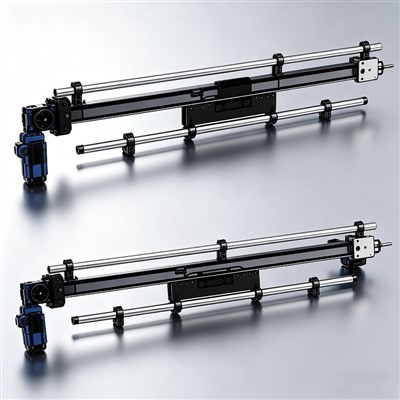
In conclusion, stage mechanical equipment is an indispensable tool for enhancing stage performances. It creates visual spectacle, enhances performers’ mobility and safety, synchronizes with audio and lighting, can be customized for different genres, and is cost – effective in the long run. By investing in high – quality stage mechanical equipment and partnering with a reliable supplier who provides training and support, producers can take their stage productions to new heights.
Stage Mechanical Equipment If you are interested in learning more about how our stage mechanical equipment can enhance your next performance or if you are ready to discuss a potential purchase, please don’t hesitate to contact us. We would be delighted to work with you to bring your creative vision to life.
References
- "Stage Engineering Handbook" – A comprehensive guide covering various aspects of stage equipment and engineering.
- "The Art of Stage Design" – A book that explores the relationship between stage design, mechanical equipment, and performance.
- Industry reports on the latest trends and technologies in stage mechanical equipment.
JIANGSU HONGBO STAGE EQUIPMENT SCIENCE AND TECHNOLOGY CO., LTD.
As one of the most professional stage mechanical equipment manufacturers and suppliers in China, we’re featured by quality products and good price. Please rest assured to wholesale bulk advanced stage mechanical equipment for sale here and get quotation from our factory. Customized orders are welcome.
Address: Dasi Industrial Park, Gaogang District, Taizhou City, Jiangsu Province
E-mail: hongbowutai@gmail.com
WebSite: https://www.hbstageequipment.com/
