If you’ve ever worked in industrial motion control, you’ve likely come across Oilgear—long a go-to for high-performance hydraulic systems that power heavy machinery from mining excavators to steel mill rollers. For decades, their precision and durability have set a bar for the industry, but as digital technology has transformed how we design, operate, and maintain equipment, a common question keeps popping up: Are there viable Oilgear alternatives with a fully integrated digital control system? As a supplier of industrial motion solutions built to solve exactly this problem, I’ve spent the last five years talking to plant managers, maintenance leads, and engineers who are burnt out on the limitations of legacy hydraulic systems—including outdated Oilgear models that rely on manual adjustments, analog gauges, and reactive maintenance. Let me break down why digital control is no longer a “nice-to-have” for these teams, and what real alternatives exist that match or exceed Oilgear’s performance without the headaches. Oilgear Alternatives
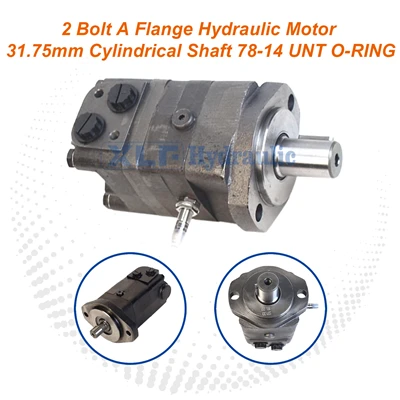
First, let’s be clear: Oilgear isn’t a bad choice. Their traditional hydraulic systems are built to withstand extreme loads, and for applications where 1990s-era technology was enough, they worked well enough. But today’s industrial landscape is different. Plants are operating with smaller margins, dealing with tighter regulatory emissions rules, and under pressure to collect data to optimize uptime. A 2023 survey of 200 heavy equipment plant operators by the Industrial Hydraulic Association found that 68% of respondents said their legacy hydraulic systems (including many older Oilgear units) experience unplanned downtime at least twice a month, with a third of those outages lasting more than four hours. The culprit? Most legacy Oilgear systems use analog control valves, which require a technician to physically adjust pressure and flow settings on-site, no way to monitor performance in real time, and zero integration with plant SCADA (Supervisory Control and Data Acquisition) systems. That’s where digital control changes everything—and where the right Oilgear alternatives shine.
Digital control systems for hydraulic equipment don’t just swap out a knob for a screen; they integrate smart sensors, edge computing, and cloud connectivity to deliver active adjustments, predictive insights, and seamless plant integration. Let’s take a real example from a recent project we did with a mid-sized mining operation in Alberta. They were using 12 older Oilgear hydraulic pumps to power their haul truck lifting systems, and were facing consistent issues: pressure fluctuations that caused premature wear on the lift rams, monthly calibration checks that took 8 hours each, and downtime that cost the mine roughly $15,000 per hour. We replaced those Oilgear pumps with our own digital hydraulic units, and within three months, their unplanned downtime for lift systems dropped by 82%, calibration time was cut to 15 minutes per month, and they now track pressure, temperature, and load data in real time through their existing SCADA. That’s not a marginal improvement—that’s a game-changer for operations that run 24/7.
But here’s the thing: not every digital hydraulic system billed as an Oilgear alternative lives up to the hype. Some low-cost models cut corners on the core hydraulic performance, leaving plants stuck with a digital shell that can’t handle heavy loads. Others require custom programming that only their own technicians can update, locking users into a service contract that costs more than the equipment itself. Our approach, and that of a few other reputable players in the space, is built to match Oilgear’s rugged engineering while adding the digital tools that modern plants need. Let’s compare the key features that set these alternatives apart from legacy Oilgear systems.
First, precision control. Oilgear’s analog systems are accurate within about 2-3% of set pressure, which might be enough for older applications but is too loose for today’s precision tasks like robotic welding, packaging line indexing, or load-sensitive material handling. Digital control systems can offer accuracy of 0.5% or better, because they use closed-loop feedback from sensors that adjust the valve position 100 times per second. For the Alberta mining operation, that meant their lift rams didn’t jolt when loading ore, reducing component wear by 47% in the first six months. For a food and beverage plant we worked with, switching from Oilgear’s analog fillers to a digital alternative cut product waste by 12% because each fill dose was consistent, no over-pouring from manual adjustments.
Second, connectivity. Most Oilgear systems made before 2018 don’t have any digital I/O ports, so they can’t send or receive data from plant systems. That means maintenance teams have no way to see if a pump is starting to fail until it breaks down, and operators can’t adjust settings remotely—for example, slowing down a conveyor line overnight to reduce energy use without sending a technician to the floor. Digital alternatives integrate with standard industrial protocols like Modbus, EtherNet/IP, and PROFINET, so you can pull real-time data on pressure, flow, temperature, and energy use directly into your SCADA or cloud platform. That’s how you move from reactive maintenance (fixing a broken part) to predictive maintenance (replacing a part before it fails). A 2022 study by McKinsey found that plants with connected hydraulic systems reduce maintenance costs by 20-30% and increase overall equipment effectiveness (OEE) by 15% on average.
Third, flexibility. Legacy Oilgear systems are often designed for one specific application, so if your plant expands or changes a process, you have to replace the whole hydraulic unit to adjust. Digital control systems allow you to update parameters via software, not hardware. For example, a logistics center that uses hydraulic lifts for pallet racking can adjust lift height limits remotely if they switch to taller pallets, or change cycle speeds to match a new packaging line—no need to order and install new valves or pumps. That flexibility is a huge cost saver over the lifecycle of the equipment, which is typically 10-15 years for hydraulic systems.
Now, I know what some of you are thinking: “Digital sounds great, but what about reliability? Oilgear has a 50-year track record of durability, I can’t afford to switch to something new that breaks.” That’s a valid concern, and it’s why we test every digital system we sell to the same extreme standards that Oilgear uses—high heat, cold, dust, and heavy load cycles. Our units have a mean time between failures (MTBF) of over 30,000 hours, which is on par with top-tier legacy hydraulic brands, and we offer the same 3-year warranty as many Oilgear authorized service packages. The difference is that our digital systems come with built-in diagnostic tools that alert you to a pending failure 2-4 weeks before it happens, so you can schedule maintenance during a planned shutdown, not in the middle of a production run.
I also want to address a common misconception: that alternatives to Oilgear with digital control are only for new installations. That’s not true. We’ve retrofitted dozens of existing Oilgear systems with digital control kits, so you don’t have to replace your entire hydraulic pump or valve setup to get the benefits. For example, a steel mill in Ohio had 20-year-old Oilgear actuators for their roll bending systems, and instead of spending $2 million to replace them with new Oilgear units, we retrofitted each one with a digital control module for $120,000 total. They got the same precision and connectivity as a new system, and saved 94% on the upgrade cost. That’s a huge win for plants looking to modernize without a major capital expenditure.
Of course, no solution is perfect, and it’s important to do your due diligence when looking for Oilgear alternatives. Here are a few red flags to watch out for: First, if a supplier can’t share third-party test data on load capacity or MTBF, that’s a sign their system isn’t built for heavy industrial use. Second, if their digital system only works with their own software and doesn’t integrate with your existing plant systems, you’ll end up with siloed data that doesn’t help you improve operations. Third, if their service network is limited, you won’t be able to get support quickly when you need it. Reputable digital hydraulic suppliers should have a global network of certified technicians, transparent performance data, and a track record of working with industries that use heavy equipment like mining, manufacturing, and logistics.
Let’s circle back to the original question: Are there Oilgear alternatives with a digital control system that are worth considering? Absolutely. The best options match Oilgear’s rugged, reliable performance, add the precision, connectivity, and flexibility that today’s industrial plants need, and often come with lower lifecycle costs than legacy Oilgear systems. Whether you’re retrofitting an existing setup or building a new facility, digital control is no longer a step backward—it’s a way to future-proof your operations, reduce downtime, and cut costs.

If you’re tired of dealing with outdated analog hydraulic systems that leave you in the dark about your equipment’s performance, or if you’re ready to upgrade from Oilgear models that can’t keep up with your production goals, I’d encourage you to reach out to a trusted supplier of industrial motion solutions. The right partner won’t just sell you a new hydraulic system—they’ll work with you to assess your specific application, compare the total cost of ownership between legacy Oilgear and digital alternatives, and help you make a choice that fits your needs. At the end of the day, the goal isn’t to replace Oilgear just for the sake of change; it’s to get a system that works as hard as your team does, with the tools to help you run more efficiently, safely, and profitably.
Hydraulic Pump Reference:
- Industrial Hydraulic Association. (2023). Annual Survey of Heavy Equipment Plant Operators: Hydraulic System Performance & Downtime Analysis.
- McKinsey & Company. (2022). Digital Transformation in Industrial Equipment: The Impact of Connected Hydraulics on Operational Efficiency.
- International Organization for Standardization. (2021). ISO 10771-2: Hydraulic Fluid Power—Evaluating the Reliability of Industrial Hydraulic Systems.
Wuhan Xinlaifu Hydraulic Equipment Co., Ltd.
Wuhan Xinlaifu Hydraulic Equipment Co., Ltd. is one of the most professional oilgear alternatives manufacturers and suppliers in China, featured by high quality OEM&ODM products. Please feel free to buy customized oilgear alternatives from our factory.
Address: Liansu Industrial Park, No.1, Xincheng 11th Road, Dongxihu District, Wuhan, Hubei, China
E-mail: service@xlf-hydraulic.com
WebSite: https://www.xlf-hydraulic.com/
