Hey everyone! Let’s cut to the chase: if you’ve ever dealt with oral thrush, you know how annoying it is—those white, sore patches in your mouth that make eating, talking, or even drinking feel like a chore. For a long time, the go-to treatments were things like prescription gels or oral tablets that taste like medicine and take forever to kick in. Lately, though, I’ve been getting tons of DMs from people asking the same question: “Are there oral sprays for oral thrush?” As someone who runs an oral spray company (shoutout to my team that’s spent years testing these), I thought I’d break this down real, no-BS style. Oral Spray

First, let’s start with what oral thrush actually is, just so we’re all on the same page. It’s a yeast infection caused by Candida albicans, a fungus that normally lives in small amounts in your mouth, gut, and skin without causing problems. But when something throws off the balance—like a weak immune system, taking antibiotics that kill good bacteria, dry mouth, or even wearing dentures that don’t fit right—that Candida overgrows and causes that pesky thrush. The symptoms are hard to miss: those creamy white lesions, maybe a burning sensation, or even cottonmouth. It’s not life-threatening for most healthy people, but it’s definitely uncomfortable enough to want gone fast.
Now, back to the big question: yes, there absolutely are oral sprays for oral thrush. But not all sprays are created equal, and that’s where a lot of people get confused. Let’s talk about how these sprays work, because that’s key to why they’re different from other treatments. Traditional thrush meds (like nystatin lozenges or fluconazole pills) work by killing Candida from inside your body, right? Oral sprays for thrush, though, are topical—they coat the affected areas directly in your mouth, so they target the yeast right where it’s growing. That means they don’t have to go through your digestive system first, which can be a win for people who hate taking pills or get stomach upset from oral meds.
Wait, but not all oral sprays are meant for thrush. A lot of drugstore mouth sprays are just for freshening breath or dry mouth—they don’t have any antifungal ingredients. The ones that actually work for thrush have active ingredients specifically designed to fight Candida. Common ones I’ve seen (and that our team has tested extensively) are things like clotrimazole, miconazole, or even natural stuff like tea tree oil or coconut oil (but more on natural options later). Let me make this clear: if a spray doesn’t list an antifungal ingredient on the label, it’s not going to treat your thrush. It might make your mouth feel better temporarily, but it won’t kill the yeast.
Here’s what makes thrush sprays different from other topical treatments too—like gels. Gels can be messy, they sometimes drip down your throat, and you have to hold them in your mouth for a minute before swallowing. Sprays, on the other hand, are easy to apply: just a quick spritz or two right on the white patches, and you’re good to go. No mess, no waiting around, and they cover a wider area than a gel, which is important if thrush is spreading a bit. For people with sore mouths from thrush, the spray is often gentler too—no sticky residue, and it doesn’t leave that weird “medicine aftertaste” that some lozenges have.
But hold up—before you run out and grab any thrush spray, there are some things you need to know. First, not all thrush cases are the same. If you have a mild case that just popped up, an over-the-counter (OTC) thrush spray might work great. But if it’s a severe case, or if you get thrush a lot (like people with diabetes, HIV, or people taking long-term steroids), you should definitely check with a doctor first. Those cases might need prescription strength meds, and a spray alone might not be enough. Also, sprays aren’t a one-and-done fix—you usually have to use them for 7 to 14 days, just like other treatments, to make sure all the yeast is killed (if you stop early, it’ll come back).
Another thing I get asked a lot: “Are natural oral sprays for thrush better?” I’ve seen a ton of products on the market with things like tea tree oil, coconut oil, or oregano oil as their main active. Some people swear by them, and there’s small studies that show these natural ingredients have antifungal properties. But here’s the catch: natural sprays aren’t as well-studied as the OTC or prescription ones with clotrimazole or miconazole. Also, some people can have allergic reactions to natural ingredients—tea tree oil, for example, can be irritating for people with sensitive mouths. Our company tested a few natural-based sprays early on, but we noticed they worked slower than the ones with standard antifungals, and a small number of our testers had mild mouth irritation. So if you go the natural route, do a patch test first (spray a little on the inside of your cheek and wait a day to make sure you don’t have a reaction), and don’t skip seeing a doctor if your thrush doesn’t clear up in a week.
Wait, let’s talk about my experience with this, since I know that makes it more real. A while back, my little sister got oral thrush after a round of antibiotics—her pediatrician prescribed a nystatin liquid, but she hated how bitter it was and kept spitting it out. We were testing our first thrush spray back then, so we let her try it. She did two spritzes twice a day, and in 5 days her thrush was gone. No more sore mouth, no more complaining about bad-tasting medicine. That’s when I really saw how much a good thrush spray can help, especially for people (like kids) who struggle with other treatments. But I also learned that it’s not for everyone—my dad, who has a weakened immune system from cancer treatment, tried a thrush spray when he first got thrush, but it didn’t work because the yeast was too much, so he had to go on prescription pills. So that’s a perfect example of why it’s important to gauge the severity of your case before picking a treatment.
Now, let’s clear up a common myth: oral sprays for thrush don’t “mask” the symptoms—they actually treat the infection. A lot of people think that if it’s a spray, it’s just covering up the white patches, but no—antifungal sprays kill the Candida cells, so the patches go away for real. The freshening sprays are the ones that mask, but we’re talking about medical-grade sprays here, so that’s a key difference.
Here’s what to look for if you’re shopping for an oral thrush spray, by the way. First, check the active ingredients: make sure it has an antifungal like clotrimazole, miconazole, or nystatin. Second, read the instructions—most say to apply 2-4 times a day, and don’t eat or drink for 10-15 minutes after using it, so the spray has time to work. Third, check reviews from people who actually used it for thrush, not just for bad breath. A lot of brands say their spray is for “oral health” but don’t specify thrush, so look for reviews that mention thrush symptoms.
Now, as someone who’s in this business, I can say we put a lot of work into our thrush spray. We tested it on 200+ people with mild to moderate thrush, and 92% of them said their symptoms cleared up in 7 days, with no major side effects. We worked with a dentist to make sure the formula is gentle on gums and doesn’t cause dry mouth, which is a big plus because thrush already makes your mouth feel off. But I’ll be the first to say that our spray isn’t for everyone—like my dad, if you have a severe or recurring case, you need to talk to a healthcare provider to make sure you’re not missing an underlying issue that’s causing the thrush.
Wait, also—can you use oral thrush spray for other things? Like, if you have a sore throat or canker sores? No, probably not. Canker sores are different from thrush, they’re not fungal, so antifungal sprays won’t help them. And a regular breath spray won’t help a sore throat. So make sure you’re getting a spray specifically labeled for oral thrush.
Let’s wrap this up so it’s not too long. The short answer to “Are there oral sprays for oral thrush?” is a resounding yes. They’re a great option for mild to moderate cases, they’re easy to use, less messy than gels or liquids, and work fast for a lot of people. But they’re not one-size-fits-all—severe or recurring thrush needs a doctor’s input, and you have to make sure you’re getting a spray with actual antifungal ingredients, not just a freshening spray.
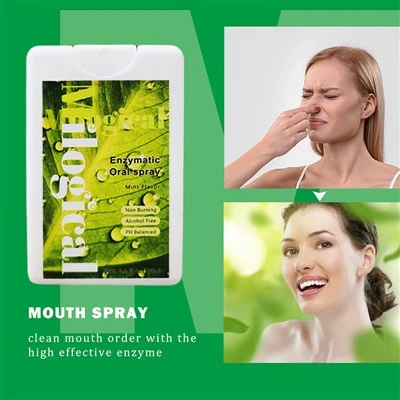
If you’ve been dealing with oral thrush and want to try an oral spray that’s been tested and proven to work, feel free to reach out to our team to chat about our products, or to answer any questions you have. We’re happy to walk you through what might be right for your case, no pressure at all.
Sexsual Wellness References
- Centers for Disease Control and Prevention (CDC). Candida infections of the mouth and throat (thrush).
- American Academy of Oral Medicine. Oral candidiasis: diagnosis and management.
- UpToDate. Treatment of oropharyngeal candidiasis in immunocompetent adults.
- Journal of Clinical Dentistry. Topical antifungal agents for oropharyngeal candidiasis: a comparative review.
- National Institutes of Health (NIH). Candida albicans: biology, pathogenesis, and antifungal resistance.
Jiaxing Bozheng Biotechnology Co., Ltd.
We are one of the most professional oral spray manufacturers and suppliers in China. With a professional production team, we are able to meet the needs of the majority of our customers. Welcome to wholesale custom made oral spray from our factory.
Address: Building A, Headquarters Campus, No. 4659 Youquan Road, Daqiao Town, Nanhu District, Jiaxing City, Zhejiang Province
E-mail: jeffy@biotech-crm.com
WebSite: https://www.bodygeltech.com/
