If you’ve ever stared at a thick, luxe face serum or rich body butter in a bottle and thought, “Wait, can this even work with a pump?” – you’re not the only one. I’ve gotten this question at least 10 times a week since I started my small cosmetic pump supply business, and honestly? It’s one of the most common mix-ups I see between brand owners and even some packaging newbies. Let’s break this down like we’re chatting over coffee, no stuffy science jargon required. Cosmetic Pump

First off, let’s get real about what “thick cosmetics” actually means. I see brands throwing around terms like “viscous,” “creamy,” “not runny like lotion,” but there’s a difference between a slightly thicker body lotion (which is totally pump-friendly) and a super thick, spreadable product like a rich face balm, a hair pomade, or a highly concentrated foundation that’s more paste than liquid. Viscosity is the key here – that’s just a fancy word for how “thick” something flows. Water has a low viscosity (it pours fast), honey has medium, and maybe that all-over body butter you’re eyeing has high viscosity. The whole pump vs. thick product thing boils down to whether the pump can move that high-viscosity stuff without getting clogged or leaving you with a useless bottle of product half-way through.
Here’s the thing I want every brand to know: most standard cosmetic pumps are made for low-to-medium viscosity products – think facial cleansers, toners, lightweight moisturizers, and those runny serums that go into little dropper bottles, but wait, no, some of the hand pumps work for medium. Those are your everyday, run-of-the-mill pumps that you see on regular lotion bottles. They have small dip tubes, tiny plungers, and just enough suction to pull a medium-viscosity lotion up. If you try to use that pump on a product like a thick whipped body butter or a super concentrated BB cream, what’s going to happen? Nothing, most likely. The thick product can’t flow up the narrow dip tube fast enough, the plunger can’t pull it through, and you’ll either get nothing when you press the pump, or you’ll have to press it 20 times just to get a tiny clump of product that’s not even usable. And worse, that thick product can get stuck in the pump’s tiny parts, clogging it permanently within a week. That’s a waste of money for both you (buying the wrong pump) and your customers (getting a broken bottle of product).
But wait – before you throw your hands up and say “pumps are useless for thick stuff,” there’s a whole other category of pumps designed exactly for this. I call them “thick-product pumps,” and they’re a game-changer for brands that make creamy, paste-like formulas. What makes them different? First, their dip tubes are way wider – like, 2x or 3x the diameter of a standard pump’s dip tube. That gives the thick product more room to flow up, so it doesn’t get stuck mid-way. Second, the plunger and internal mechanisms are sturdier, made to create enough pressure to pull that dense stuff without breaking. Some of them also have specialized valves that prevent backflow – so if you press the pump, the product comes out, and when you let go, none of it drips back down into the bottle, which is perfect for thick creams that don’t want to move around. I’ve worked with a few small indie brands that make thick hair pomades and body balms, and they switched to these specialty pumps a few months ago – their customers haven’t complained about “no product coming out” once, and the brands say their packaging waste went down because less product gets left stuck in the pump parts.
Now, here’s the part I wish more brand owners asked me before they place an order: how do you test if your thick product will work with a pump, any pump? Let me give you the quick, at-home test I walk every client through when they’re unsure. First, get a sample of your product – a tablespoon or so is enough. Then, take a regular pump (one that’s similar to what you’re thinking of using) and a thick-product pump, and try to pump a small amount of product from a small container (like a glass jar) using each one. If the regular pump can’t pull any product out, or only a tiny clump, that’s your sign you need the thick-specific pump. If the specialized pump pulls it out easily, great – that’s the one for you. But wait, there’s a catch here: even with the right pump, your product’s formula matters too. If your thick cosmetic has a lot of hard, waxy particles or exfoliating beads, that can clog even a wide dip tube over time. I always tell brands with exfoliating products to mention that to me when they order, because sometimes we can add a small mesh filter to the pump’s inlet to catch those particles – it’s a cheap add-on, but it saves you from having pumps clog mid-production.
Let me also talk about common mistakes I see brands make that lead to pump failures with thick cosmetics. The biggest one is assuming “thicker = needs a bigger pump” but no, it’s not just size, it’s flow rate. Another mistake is using a pump that’s designed for leave-on products for a rinse-off thick product – even if the rinse-off stuff is thick, it’s usually water-based, so it has a different viscosity than a cream. Also, don’t forget about the bottle’s size and shape. If you have a tall, narrow bottle, a dip tube that’s too long won’t help if the product is thick, because the flow has to travel further. I always help clients adjust the dip tube length to match their bottle size, specifically for their product’s viscosity – that’s part of the service I offer, not just selling pumps.
Here’s a real example from my own business, to make this less abstract. A few months ago, a brand came to me with a new rich night balm – it was a super thick, shea butter-based product, no water, super high viscosity. They had bought 5,000 standard pumps from another supplier, tried them, and they couldn’t use any of them because the balm wouldn’t flow. They were ready to throw all the pumps away, waste thousands of dollars, and go back to jars. Instead, I sent them a sample of our thick-specific pumps, modified with a wider dip tube and a mesh filter for the shea butter particles. They tested it, it worked perfectly, and they ended up ordering all their pumps from me after that. Now they tell me that their customers love the pump because it’s way less messy than digging a finger into a jar – no more bacteria getting into the product, no more product waste from the top of the jar drying out. That’s the big win for pumps with thick cosmetics, by the way: convenience for customers and less waste for brands.
Wait, another question I get a lot: can you thin a thick cosmetic to make it work with a standard pump? My short answer is: maybe, but don’t do it unless you have to, and even then, be careful. Thinning a product can mess up its consistency, its texture, its effectiveness, and even its shelf life. For example, if your night balm is too thick, adding a little water might make it pumpable, but it will separate in a week, it won’t feel as luxurious on the skin, and it might not work as intended. I’ve seen brands do this to save money, and it almost always leads to product returns or bad reviews. It’s way better to just get the right pump – the cost of a specialized pump is like 10-15 cents more than a standard pump, and when you’re selling a high-end thick cosmetic, that small extra cost is nothing compared to the cost of bad packaging or unhappy customers.
Let’s wrap this up with the key takeaways, because I know you’re busy and you don’t want to scroll through a novel. First: yes, you can use a pump for thick cosmetics, but only if it’s a specialty thick-product pump, not a standard pump. Second: always test the pump with your actual product before placing a big order – don’t just go off viscosity charts, because every product is different. Third: don’t try to thin your product to fit a standard pump – it’s not worth the risk. Fourth: if you’re unsure about which pump is right for your thick cosmetic, just ask a supplier like me – that’s what we’re here for, not just to sell you pumps, but to make sure they work for your specific product.
Before I go, I want to leave you with this: I started this business because I saw so many great products being ruined by bad packaging, and thick cosmetics are one of the most under-served categories when it comes to pumps. If you’re a brand owner, a formulator, or even just someone who makes their own thick cosmetics (like homemade body butter) and wants to make it easier to use a pump, don’t guess – reach out. I can help you test products, find the right pump, and make sure everything works as intended. No pressure, no sales pitch that’s too pushy, just real advice based on actual projects I’ve worked on, not just textbook facts.
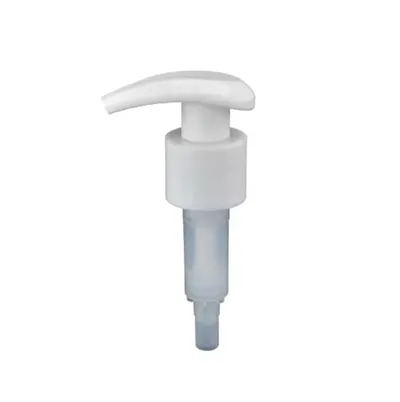
If you have questions about pumps for thick cosmetics, or you need to place an order, feel free to reach out to discuss your requirements in detail.
Cosmetic Jar References
- Viscosity and Pump Compatibility in Cosmetic Packaging, Personal Care Ingredients Association, 2022
- Packaging Design for High-Viscosity Cosmetic Formulations, Journal of Cosmetic Science, 2021
- User Experience of Pump Dispensers for Cream-Based Personal Care Products, International Journal of Retail & Distribution Management, 2023
Shanghai Medellin Technology Co., Ltd.
As one of the most professional cosmetic pump manufacturers and suppliers in China, we serve over 200 renowned cosmetic companies in Italy and France. Please rest assured to wholesale bulk high quality cosmetic pump from our factory. Also, custom service is available.
Address: No. 298, Lianrong Building, Linping District, Hangzhou, Zhejiang, China
E-mail: sales@toppackaging.cn
WebSite: https://www.medellin-cn.com/
